Getting the Rio de Flag Flood Control Project Done
Flooding in the Rio de Flag channel has long challenged Flagstaff. I’ve read several accounts of why and when the original channel was rerouted through downtown and the Southside. While I haven’t uncovered the exact reason, it appears to have been at the urging of the lumber mills and possibly the railroad in the late 1800s. Regardless of the channel alignment, the Southside would have been in a floodplain due to its low topography and location near the confluence of the Rio and Clay Wash.
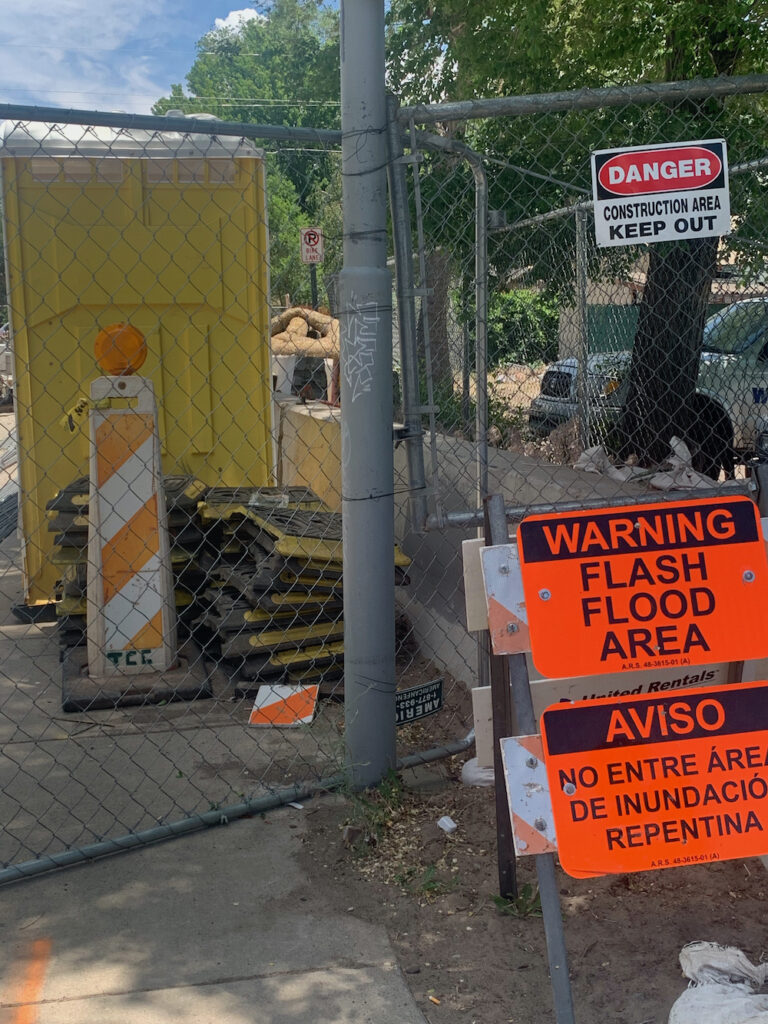
Recent severe, widespread flooding in Flagstaff and across the West brought the critical need for the Rio de Flag Flood Control Project (Rio Project) into stark focus. The recent storm tragically resulted in loss of life and moderate to severe damage to more than 100 Southside homes.
The City of Flagstaff began working with the U.S. Army Corps of Engineers (USACE) before 2000, when the Rio Project was first authorized under the Water Resources Development Act (WRDA). This biennial congressional package authorizes USACE to study, design and construct water infrastructure projects but does not fund them. As costs have risen, Flagstaff has maintained the project’s authorization in subsequent WRDA packages, funded $12.5 million in smaller portions of the project and set aside money for the city’s 35% funding match. The current estimated project cost is $244 million.
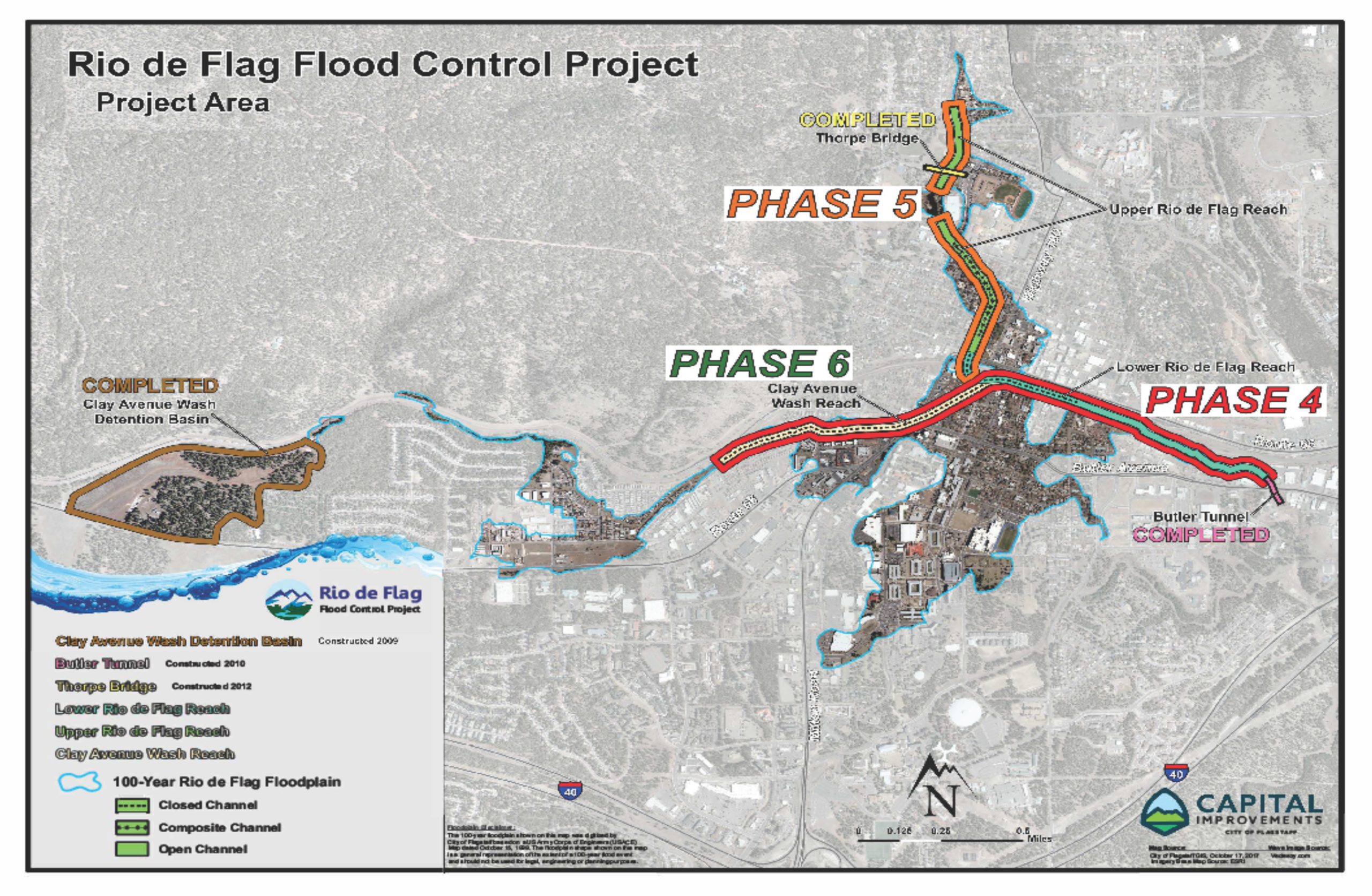
While the benefits of the project will be fully realized with completion of the three main stem phases, the first phase will begin to reduce flooding impacts on the Southside. Completing all phases could prevent damage to approximately 1,500 Flagstaff structures valued at more than $916 million, eliminate the potential for $1 billion in economic damage from flooding and remove several areas from FEMA floodplains.
Before WRDA authorization, USACE completed a feasibility study that included extensive modeling and economic analyses, alongside an environmental impact study. Initial design work began after authorization. The Rio Project and its design process are complex. As USACE presented the design in stages, city staff negotiated necessary private property purchases, including from BNSF Railway. At each step, the city, USACE and BNSF had to negotiate numerous complex agreements to move forward.
City Manager Joanne Keene and I just returned from Washington, D.C., where we spent a full day in meetings about the Rio Project. It has been among the city’s legislative priorities for decades, and I’ve met with our federal delegation and USACE many times about it. This trip, however, was to emphasize that Flagstaff residents cannot and should not experience further delays. We received assurances that USACE will advertise for a contractor for the first phase of the main stem construction on Nov. 30, 2026, with groundbreaking in late spring or early summer 2027.
Meanwhile, the city is bringing together local engineers who have worked on other local flood mitigation projects to develop ideas and a plan for additional short-term mitigation measures.
This project should not have taken nearly three decades. Yes, it’s complex and expensive, but it’s inexcusable that Southside residents have repeatedly had to clean up after flooding and endure emotional and financial stress. I’m sorry for the frustration, stress and sorrow residents have experienced. I will do everything in my power to hold USACE, BNSF and the City of Flagstaff to our commitments to complete all phases of this project without further delay.
This column appears in the December 2026 Flagstaff Business News.