
Just City Mayoral Fellowship: Mayors’ Institute on City Design
I’ve completed the 2025 Just City Mayoral Fellowship through the Mayors’ Institute for City Design and the Just Cities Lab at the Harvard Graduate School of Design. Read the articles and other resources we explored as we completed our final projects below. To read an article I wrote about the Fellowship, see this update.
“In the face of a nationwide housing crisis, the 2025 Fellowship – now in its fifth year – will explore what it means to house our communities. The curriculum will introduce mayors and their staff to planning and design frameworks – beyond housing supply and demand – that maximize all city resources to support the broad range of housing needs faced by a broad range of city populations. Over a semester-long program, the Lab’s Just City Index will frame dynamic presentations and dialogues with experts in the fields of architecture, landscape architecture, urban planning, art activism, housing, and public policy. Throughout the Fellowship, mayors and their staff will identify challenges in the social, economic, and physical infrastructures of their cities and develop plans of action for their communities.
The 2025 MICD Just City Mayoral Fellows are: Bloomington, IN Mayor Kerry Thomson; Gainesville, FL Mayor Harvey Ward; Jackson, TN Mayor Scott Conger; Portsmouth, VA Mayor Shannon Glover; Flagstaff, AZ Mayor Becky Daggett; Montgomery, AL Mayor Steven L. Reed; San Bernardino, CA Mayor Helen Tran; and Suisun City, CA Mayor Alma Hernandez.”
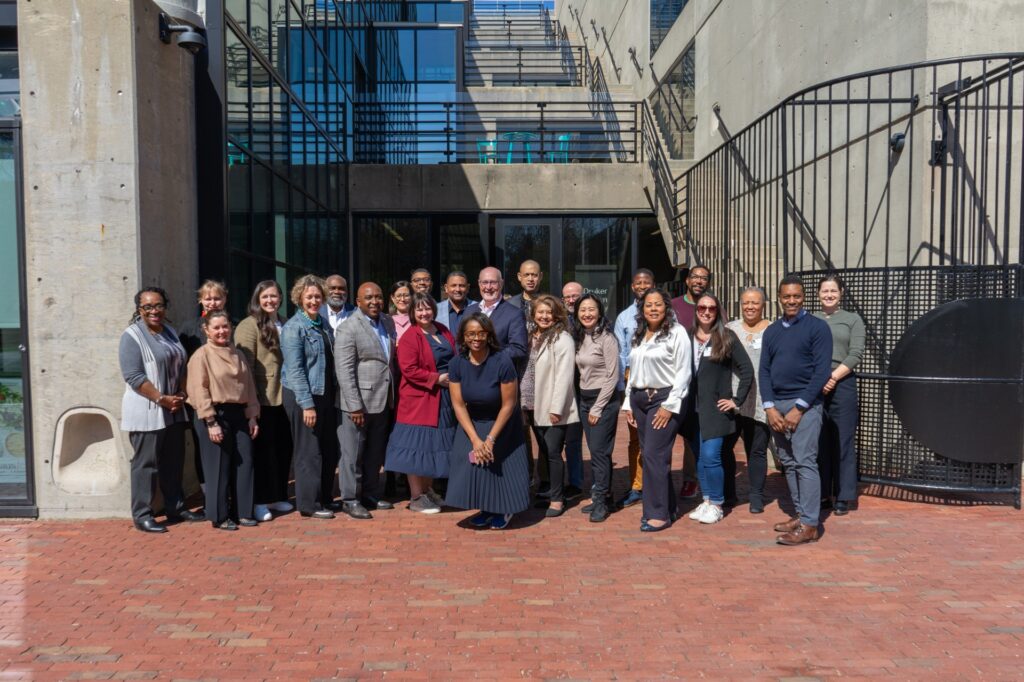
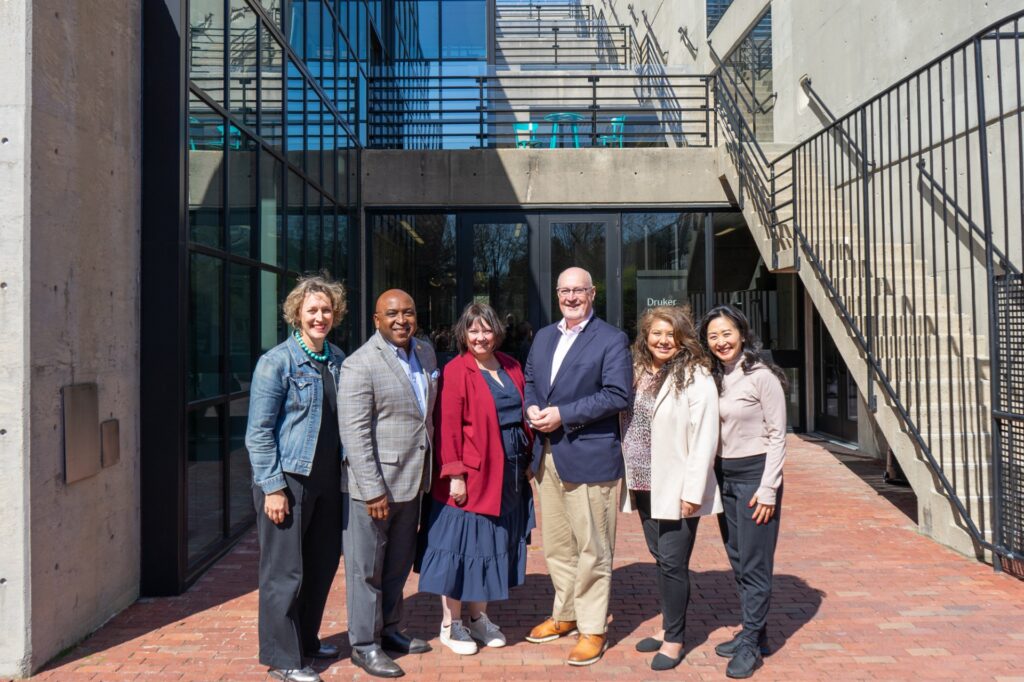

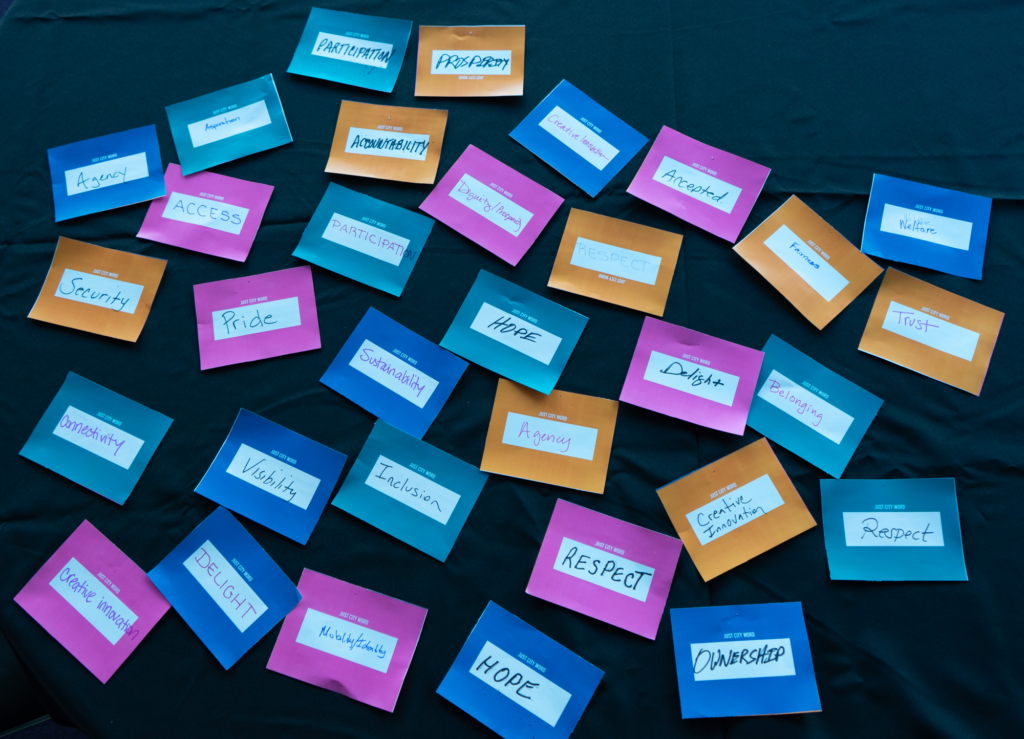
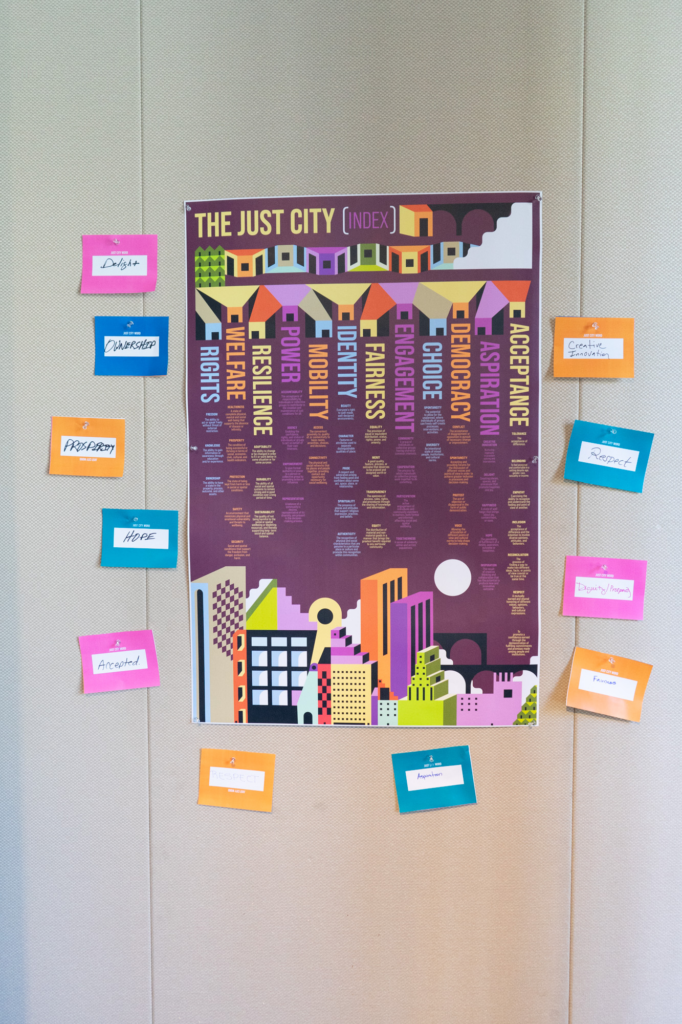
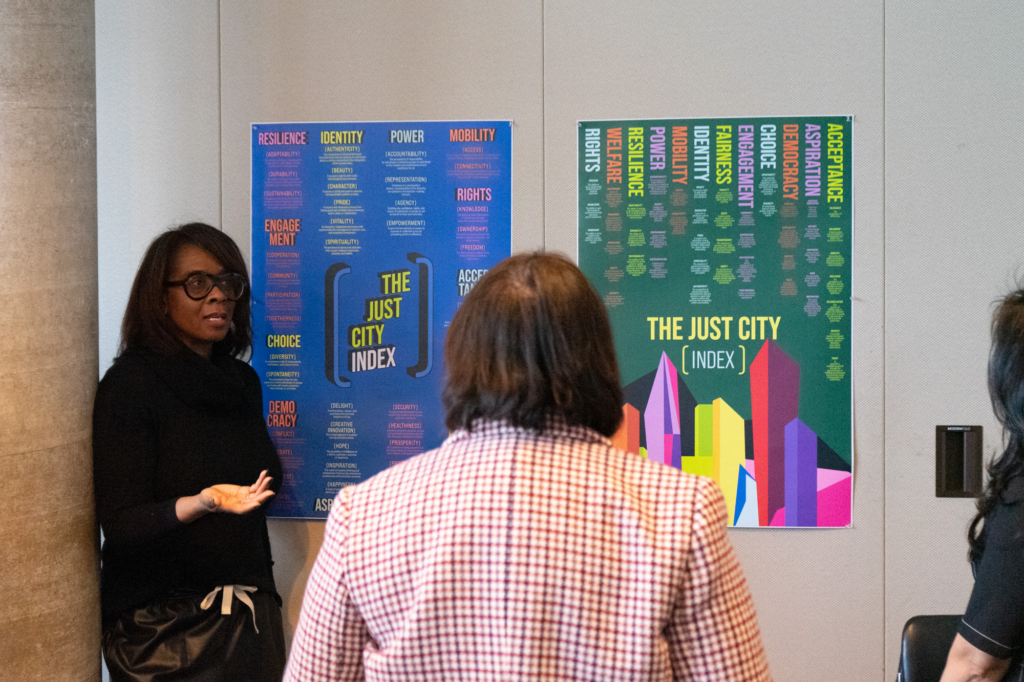

The opening workshop laid a foundation for defining urban justice and injustice through design and public policy. Through a combination of guest speaker panels, interactive discussions, and workshop activities, mayors were welcomed to “graduate school” and invited to take a critical look at the ripple effects of city design decisions, acquiring new knowledge and vocabulary for enacting just and equitable city values and outcomes.
Resources from the Opening Workshop:
Week 2: Just Neighborhoods & Neighborhood Change
Class invites lecturers to share an overview of how best to define and assess when neighborhood change produces gentrification and how government has managed neighborhood change, housing policy, and investment over time.
Gentrification and the real and perceived impacts that neighborhood change has on longtime and new local residents is complicated to document. Many believe displacement is an inherent byproduct of gentrification, yet little research exists to quantify or even confirm if and how displacement occurs. Is displacement inevitable, is it voluntary or involuntary; and if so, is it economic or cultural? The gentrification definition that relies on the inflation in housing prices, increases in median household income, and changes in educational attainment, might confirm that gentrification and even displacement are real. But what about the upside of new investment — the addition of new and often better-quality amenities and increases in home values and household wealth for long-time homeowners?
Speakers this week are Lance Freeman, Penn Integrates Knowledge (PIK) Professor of City and Regional Planning, and Sociology at the University of Pennsylvania, and James Stockard, Lecturer in Urban Planning and Design at the Harvard GSD.
Week 3: Housing Diverse Populations
In this week’s class, we discussed how changes in housing rents, sales prices, renovations and new construction – in areas that have not seen such increases and improvements – are the most commonly understood measures of neighborhood change and gentrification. As such, housing affordability becomes a central focus of neighborhood planning in response to residents’ legitimate fears and concerns about economic and cultural displacement. However, what defines affordability and access to quality housing choices is different within different market economies, with different histories of investment and disinvestment, and for different household compositions.
The lecture and readings provided current data and strategies being developed and deployed to meet the housing and quality of life needs for a diverse range of specific populations, including progressive strategies being utilized outside of the United States. Speakers: Jennifer Molinsky, Director, Harvard Joint Center for Housing Studies, and William Gilchrist, Director of Planning and Building, City of Oakland, CA.
Arboretum Cohousing in Madison, WI
University models: University Retirement Communities Lasell Village Mirabell ASU
Leading Age Virginia chapter: encouraging more housing options for older adults
Week 5: Just Neighborhood Methods and Design Solutions
Class introduced methods and project examples that highlight contemporary practices in justice-centered neighborhood planning, design and engagement. Speakers: Stephen Gray, Principal & Founder at Grayscale and Associate Professor at the Harvard GSD, and Bryan C. Lee, Founder & Design Principal at Collaqate Design and Lecturer at Harvard GSD.
Week 6: Just Housing Design Solutions
Class provided practical design, planning regulation, and development examples that highlight novel approaches to housing design, financing, and production — both for new construction and rehabilitation. Speakers: Elizabeth Christoforetti, Assistant Professor, Harvard GSD and Derwin Sisnett, Founder & CEO, Adaptive Commons.
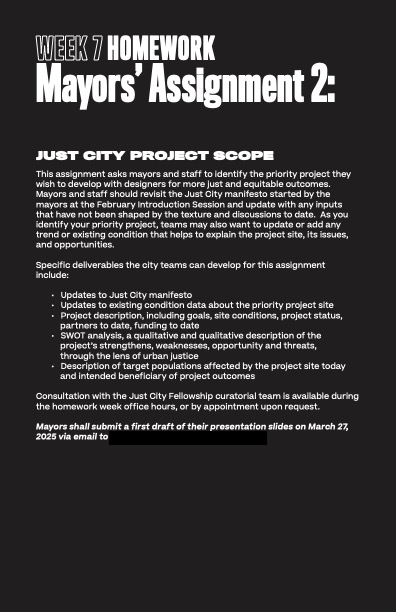
Week 8: Advancing Affordability and Wealth
Discussions of ownership and wealth creation have accelerated as an approach to restorative justice in cities with histories of urban renewal and neighborhood erasure. However, debates over the benefits of different forms of ownership versus the preservation and production of affordable housing are central to how cities prioritize resources for neighborhoods on the trajectory of change. Additionally, the preservation of locally owned businesses offering affordable goods and services must also be considered as an approach to counter involuntary displacement caused by new investment. Local communities struggle to find the balance between retaining existing populations while attracting new residents, specifically middle class and working families. And for cities exploding with growth, the struggle is more about maintaining a diversity of in-town affordable housing options for working-class households.
Speakers: David Kemper (CEO, Trust Neighborhoods) and Nikishka Iyengar (Founder & CEO, The Guild)
Week 9: Leveling the Playing Field for Just Investment
This week’s lecture with Eric Shaw discussed emerging financing and investment practices designed to target resources towards projects and programs that have the greatest opportunity to reduce and/or eliminate people and place-based disparities for chronically underserved populations while elevating the value and pride of place.
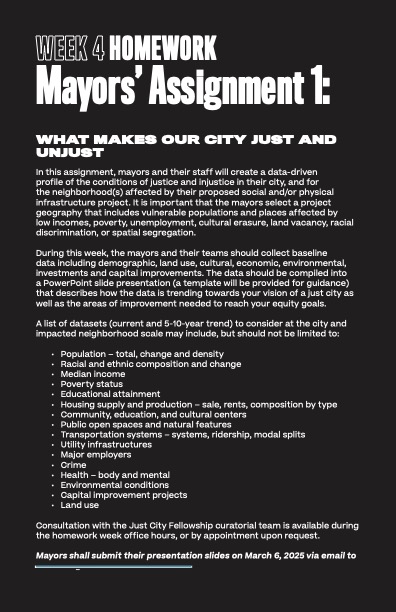
Final Project Template
Additional Resources
No-cost technical assistance for equitable development planning From a past Fellowship speaker, this program run by the 11th Street Bridge Park will help 5 nonprofits create an equitable development plan and strategize about fundraising. (Applications from community nonprofits due 3/14)